
Rethinking Autumn Decor (Without Sacrificing Style)
Hay bales, corn stalks, and pumpkins feel inherently sustainable — they’re natural, seasonal, and look nothing like the plastic decor they’re often replacing. But what happens to them once the season ends is where that impression either holds up or falls apart. A pile of decorative pumpkins and corn stalks headed to a landfill isn’t meaningfully different from any other waste. The good news is that fall decor is actually one of the easier categories to handle well, both going in and coming out — if you plan for the “after” as deliberately as you plan for the “before.” Start With Procurement: Buying Fall Decor With Its End in Mind The most sustainable fall decoration is one you don’t have to throw away at all. Before sourcing anything new, it’s worth asking a few questions that shape how easy disposal will be later: – Can it be reused next season? Wooden crates, metal buckets, fabric bunting, and reusable signage can be stored and brought back year after year, unlike organic material that has a single-use lifespan by nature. – Is it being rented rather than purchased? For larger quantities, some suppliers offer hay bales, corn stalks, and even larger decorative elements on a rental basis, with pickup and reuse built into the arrangement — worth asking about directly rather than assuming purchase is the only option. – Is it locally sourced? A local farm supplying hay bales and pumpkins reduces transportation emissions and supports the local community. For events, this has the potential to make post-event coordination easier — many farms are willing to take material back for composting or animal feed if you ask before the event, not after. Thinking about the end of the material’s life during procurement is what actually determines whether disposal is easy or improvised. What to Do With Organic Material: Hay, Corn Stalks, and Pumpkins These three materials are compostable, but “compostable” doesn’t automatically mean your local waste system will handle them the way you’d expect. A few options worth considering, roughly in order of preference: Donate or return to a local farm. Many farms — including the one you may have sourced the decorations from — are glad to take hay bales, corn stalks, and pumpkins back for composting or as animal feed. This is often the simplest option if you’ve built the relationship during procurement. Community composting programs. Many municipalities and community gardens run composting programs that accept exactly this kind of material. Utilizing curbside pickup for yard waste or check whether your area has a public drop-off composting site. Direct donation for animal feed. Some local farms, sanctuaries, or petting zoos will happily take pumpkins and corn stalks as animal feed, particularly right after Halloween when supply tends to spike. A quick call to a local farm or sanctuary before your event can line this up in advance. A note on carved or painted pumpkins. Pumpkins that have been carved, painted, or coated in glitter or sealant are more complicated. Paint and sealants can interfere with composting, and carved pumpkins decompose faster and messier than whole ones. What to Do With Everything Else Fall decor often includes items beyond the organic staples — fabric, wood signage, string lights, artificial leaves, or seasonal props. A few starting points: – Sort before you store. Take the extra few minutes to separate reusable items (crates, signage, lighting) from single-use or damaged items, rather than boxing everything together and sorting it out “later,” which rarely actually happens. – Build a reuse inventory. Keeping a simple inventory of what decor exists, where it’s stored, and its condition prevents unnecessary repurchasing next season. – Donate what you won’t reuse. Local schools, community theaters, and other event organizers are often glad to take usable decor items you don’t plan to store or reuse yourself. – Purchase intentionally. Only purchase items that you will use, choose items that can be used for multiple holidays, and opt for the slightly more expensive reusable option compared to the single-use option. – Secondhand before buying new. Thrift stores typically have an abundance of holiday decorations. Giving these pieces a second life is more sustainable and more economical. Fall decor has a real advantage over a lot of other materials: much of it is naturally compostable, and the infrastructure to handle it properly — local farms, community composting, animal feed donation — often already exists nearby. The only real barrier is timing: these arrangements need to be made in advance rather than as an afterthought.
How Event Planners Can Support Local Systems
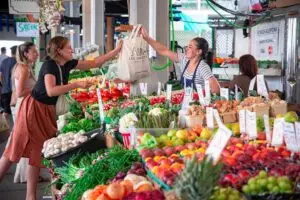
When festival organizers talk about sustainability, the conversation usually jumps straight to compostable cups, solar-powered stages, and carbon offsets. Those things matter. But an often-overlooked lever sits in plain sight: who you hire to build, feed, and staff your event. Choosing local vendors and workers is one of the most effective, tangible ways to reduce your footprint and put real dollars into the community hosting your event. The Carbon Math Is Simple Every truck, trailer, and touring vendor that drives (or flies) into town to work your festival brings emissions with it. Transportation is consistently one of the largest contributors to an event’s overall carbon footprint. A catering company driving three hours with refrigerated trucks burns fuel that a local caterer, sourcing from farms twenty minutes away, doesn’t. The takeaway isn’t “always choose local no matter what.” It’s that vendor logistics deserve the same scrutiny you’d give your energy plan or waste stations because the emissions add up long before the first guest arrives. Local Food Systems Food is one of the most memorable parts of any event. From festivals and conferences to sporting events and community gatherings, what people eat shapes their experience. But beyond taste and presentation, food choices also have a powerful impact on local economies, the environment, and community resilience. By intentionally sourcing and showcasing local food, event organizers can play a meaningful role in supporting local food systems while creating a more authentic and sustainable event experience. What Is a Local Food System? “Local” can be defined in many ways depending on the location you find yourself in and the availability of resources. Overall, a local food system refers to the network of farms, producers, processors, distributors, and retailers that grow and supply food within a specific region. Instead of food traveling hundreds or thousands of miles before reaching a plate, local food systems prioritize products grown and produced nearby. Supporting local food systems strengthens regional agriculture, reduces transportation impacts, and helps communities maintain stronger connections to their food sources. Events, especially large festivals, markets, and conferences, can be powerful platforms for promoting and strengthening these systems. Why Local Food Matters 1. Strengthens Local Economies When event organizers source food from local farmers, bakeries, breweries, and caterers, more money stays within the community. Supporting local vendors helps small businesses grow, create jobs, and encourages regional agricultural production. Events can serve as major sales opportunities for local producers, introducing them to new customers who may continue purchasing their products after the event. 2. Reduces Environmental Impact Food often travels long distances before reaching consumers. Purchasing local eliminates additional travel emissions and requires less packaging and refrigeration. Seasonal, locally grown foods also tend to require fewer inputs because they are naturally suited to the region’s climate. 3. Improves Food Quality and Freshness Locally sourced food often reaches the kitchen much faster than products shipped long distances. This can result in fresher produce, better flavor, and higher nutritional value. For event attendees, local food often creates a more memorable dining experience and a stronger connection to the region hosting the event. 4. Creates Authentic Event Experiences Events are an opportunity to celebrate local culture and identity. Featuring regional ingredients, farms, and food traditions can make an event feel more connected to its location. These experiences help differentiate events and showcase the unique character of the community. Ways Event Organizers Can Support Local Food Systems Prioritize Local Vendors and Caterers Start by seeking out caterers, food trucks, and vendors that already source locally. Many chefs and food businesses prioritize relationships with nearby farms and producers. Including these vendors in your event can strengthen existing local food networks while simplifying sourcing for organizers. Work with Local Farmers Event organizers can partner directly with farmers for fresh ingredients such as fruits, vegetables, eggs, meats, or honey. Farm partnerships may include: supplying ingredients to event caterers, hosting on-site farm stands, sponsoring food tastings, providing educational displays about agriculture. These partnerships highlight where food comes from and support local agricultural businesses. Design Seasonal Menus One of the easiest ways to support local food systems is by designing menus around what is naturally available in the region during the event season. Seasonal sourcing helps reduce reliance on imported ingredients and supports farmers during peak harvest periods. Highlight Local Food on Event Menus Transparency helps attendees appreciate the value of local food. Menus, signage, and event materials can highlight farms and producers that contributed ingredients. Recognizing producers not only supports their visibility but also helps attendees feel more connected to the food they are enjoying. Event organizers have a unique opportunity to influence food systems through their purchasing decisions. Even small shifts toward local sourcing can create meaningful economic, environmental, and social benefits. Local Spending Keeps Money in the Community You’re Borrowing From Every festival temporarily borrows a community’s roads, parking lots, noise tolerance, and goodwill. Hiring locally is one of the clearest ways to give something back in return. When you pay a local sound engineer instead of flying one in, or contract a nearby security firm instead of a national chain, that income tends to circulate locally, covering payroll, rent, and other local purchases rather than leaving the region with the vendor’s tour bus. Economists sometimes call this the “local multiplier effect”: money spent locally tends to get re-spent locally, multiple times over, before it leaves the area. This matters most in towns that host festivals regularly. If your event shows up every year but the economic benefit mostly flows to outside companies, you’re extracting more from that community than you’re giving back, and local residents notice. Local Sourcing Is a Direct Line to Underrepresented Businesses Here’s the piece that often gets missed: “local” and “diverse” overlap more than people assume. Minority-owned, women-owned, and small independent businesses are frequently underrepresented in large event contracts not because they lack quality, but because national vendor networks default to whoever they’ve worked with before, often in a handful of major markets. Actively sourcing local vendors forces you to look outside that default list. It means researching who’s actually operating in the host community a veteran-run barbecue stand, a minority owned event rental company, a woman-owned florist instead of re-booking you typical national supplier. How to Actually Do This (Without Overhauling Your Whole Vendor Process) You don’t need to rebuild your procurement process overnight. A few practical starting points: – Build a local vendor list before you build your budget. Research who exists in the host community before defaulting to your usual national contacts. Local tourism boards, chambers of commerce, and economic development offices often maintain vendor directories for exactly this purpose. – Ask vendors about their supply chain. A local caterer who trucks in ingredients from three states away isn’t actually reducing your footprint much. Ask where their food, materials, or products come from. – Set a soft target and track it. Even an informal goal like a percentage of vendor spend going to businesses within a set radius gives you something to measure year over year. – Give new local vendors a fair shot. If a national vendor’s contract is up for renewal, consider splitting the work so a local business can prove itself. Start with a smaller piece or one designated area of the event before taking on the full scope. – Publicize it. Sponsors and attendees increasingly care about this. If you’re doing the work, share the story! Quick Checklist – [ ] Have you researched local vendor options before defaulting to your usual contacts? – [ ] Do you know how far your key vendors are traveling to reach your event? – [ ] Have you asked vendors where their materials or ingredients come from? – [ ] Have you set goals or targets for local or underrepresented vendor spend? – [ ] Are you tracking this year over year, not just for one event? The Bottom Line Some of the biggest sustainability impacts happen before the event takes place, in the contracts you sign months in advance. Who you hire is a sustainability decision. It’s also usually the easiest one to start making differently this year.
Creating Positive Volunteer Culture
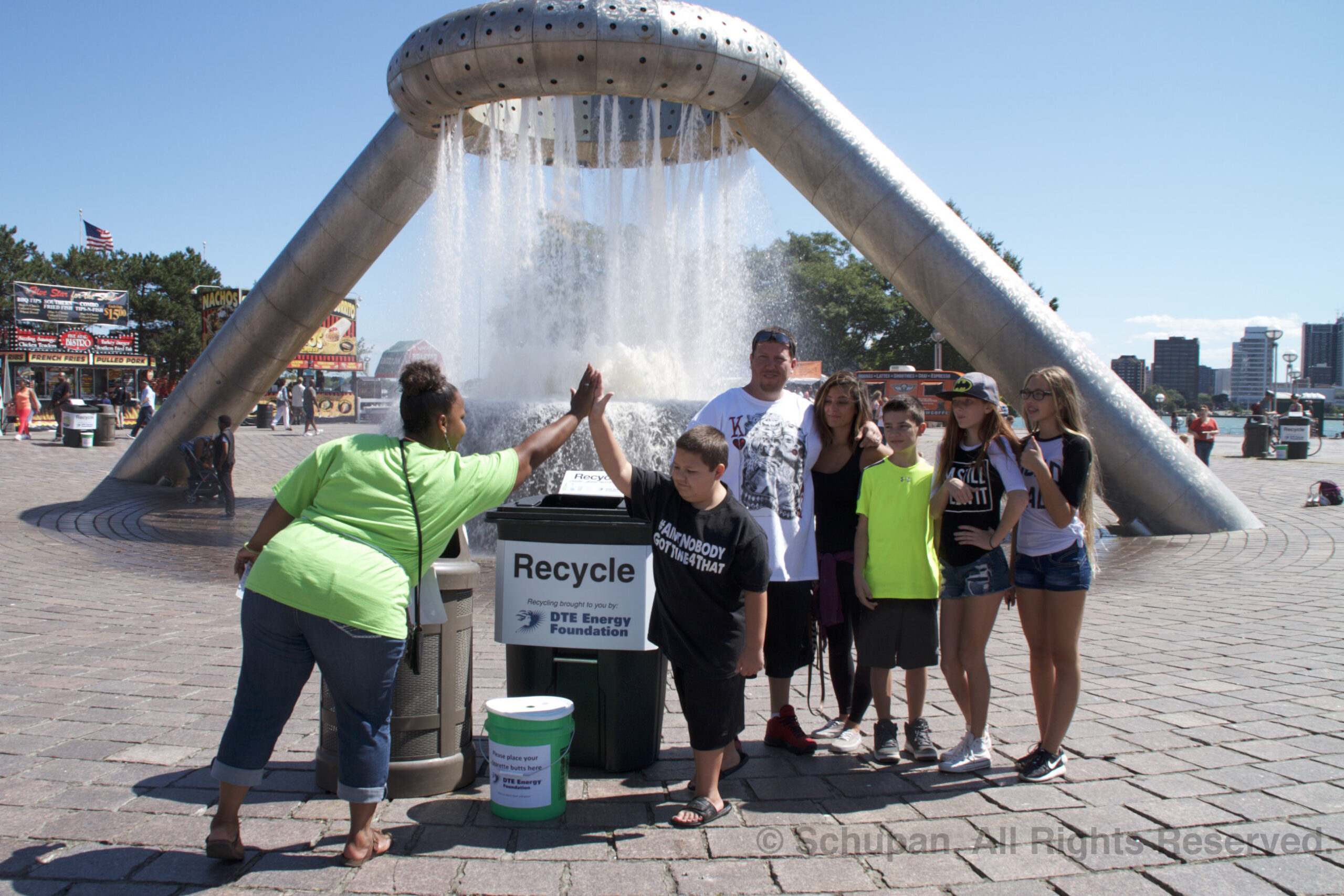
Volunteers are especially valuable to the success of events; they provide additional manpower, community connection, and support for event operations without significantly increasing labor costs. Why This Deserves Real Attention, Not an Afterthought It’s easy to treat volunteer coordination as logistics; assign shifts, hand out T-shirts, and say thank you at the end. But volunteers are often your event’s most visible, most trusted representatives. They’re the ones answering attendee questions, directing traffic, and handling problems in real time. If they’re exhausted, under-informed, or feel unappreciated, that shows up in how they treat everyone around them. There’s also a retention cost that’s easy to underestimate. Recruiting and training volunteers takes real time and effort. A program that loses most of its people every year is quietly expensive. You’re re-doing recruitment and training work that a well-treated returning volunteer base would make unnecessary. What Actually Makes Volunteers Want to Come Back A few things consistently separate volunteer programs people enjoy from ones people tolerate: – Clear expectations before the day arrives. Volunteers who don’t know what they’re walking into, what their shift actually involves, how long it runs, or what to bring start the day anxious instead of ready. A short pre-event orientation, even a 10-minute video or a one-page guide, solves most of this. – Reasonable shift lengths with real breaks. A four-hour shift with a scheduled break is sustainable. An eight-hour shift with a vague “grab food when you can” policy is how you burn people out by year two. – A real point of contact during the shift. Volunteers need to know who to ask when something goes wrong, not a general email address, but a named person with a radio or phone who can actually help in the moment. – Being told why their role matters. People will do far more and be far more willing to help when they understand the impact of what they’re doing rather than just being handed a task. A five-minute framing at check-in: here’s what this event supports and here’s why your specific role matters, goes a long way. – Genuine recognition, not just a t-shirt. A branded shirt is fine, but it’s not recognition. A short personal thank-you, a shoutout at a closing meeting, or a small post-event gathering signals that people were actually seen and their work was appreciated. Incentive Programs That Go Beyond “Free Admission” Free entry or a t-shirt is the default incentive at most events. This is a great start, but it doesn’t build a program people stay loyal to over multiple years. A few approaches that go further: – Tiered recognition for returning volunteers. Something as simple as a different colored badge or shirt for volunteers on their third, fifth, or tenth year signals that returning matters and is noticed. – Skill-building opportunities. Offering volunteers a chance to learn something- event production, first aid certification, sustainability practices turns volunteering into something they gain beyond the immediate cause. – A volunteer-only appreciation event. A short gathering after the event, even something modest, gives people a chance to connect with each other, not just with the organization. Many long-term volunteers say the community is what keeps them coming back, more than any single perk. – A clear path to bigger roles. Volunteers who feel like there’s a next step- team lead, shift captain, planning committee- are more likely to stay engaged year over year, rather than treating it as a one-off. – Flexible options for different capacities. Not everyone can commit to a full shift. Offering shorter “micro-volunteer” roles (a two-hour set-up shift, a specific task-based role) can widen your pool to people who would otherwise sit out entirely. The events that treat their volunteers well don’t just get better feedback. They get a volunteer base that shows up year after year, already trained, already invested, and already telling other people it’s a good event to be part of.