Utilizing Rainwater for your Home Garden
As the saying goes, April showers bring May flowers! As Spring begins, capturing rainwater with rain barrels is one of the simplest and most effective tools for making home gardening more sustainable. By capturing and reusing rainwater from your roof, you can reduce water waste, lower your utility bills, and give your garden a natural source of irrigation all season long! Whether you grow vegetables, flowers, or native plants, adding a rain barrel to your home can make a meaningful difference for both your garden and the environment.
What Is a Rain Barrel?
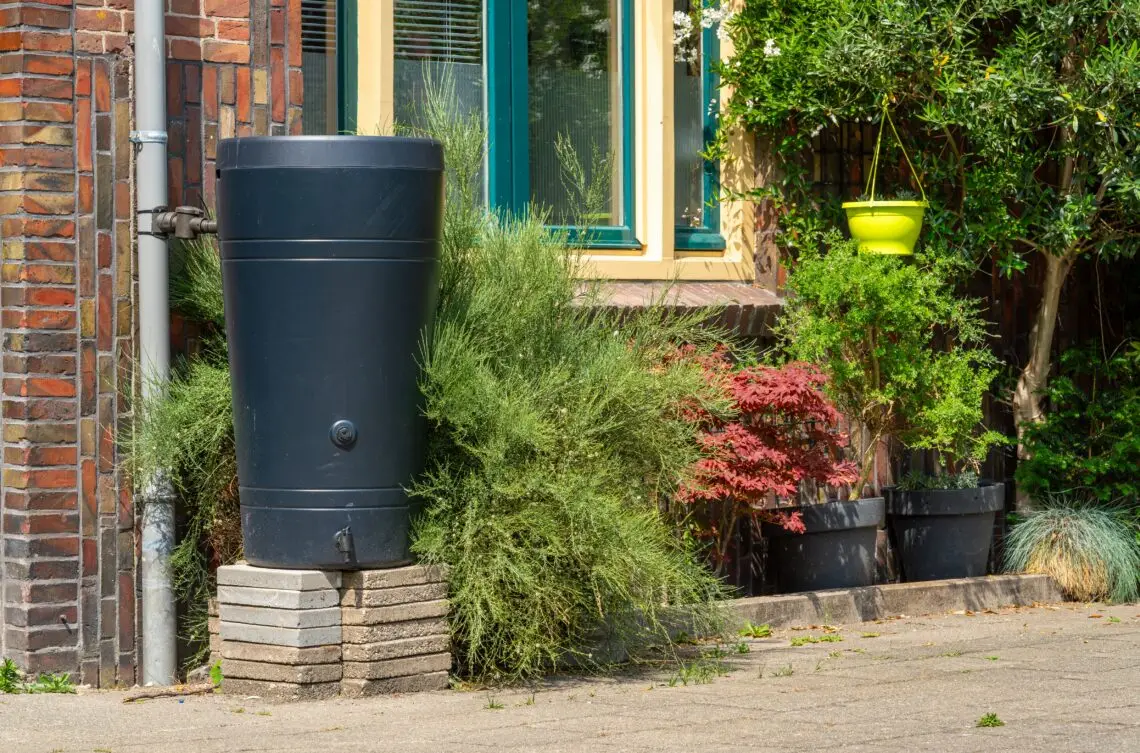
A rain barrel is a container designed to collect rainwater that flows from a roof through gutters and downspouts. Instead of allowing that water to run into storm drains, the barrel stores it so it can be used later for watering plants, gardens, and landscaping.
Most rain barrels range from 40–80 gallons and include features such as:
- A screened opening to keep out debris and insects
- A spigot near the bottom for filling watering cans or attaching a hose
- An overflow valve to direct excess water away from the house
During a single rainfall, even a small roof can collect a surprisingly large amount of water. Capturing even a portion of that can greatly reduce the need for treated tap water in your garden.
Why Rainwater Is Great for Gardening
Rainwater is often better for plants than municipal water. Tap water is typically treated with chlorine and other chemicals, while rainwater is naturally soft and free of these additives. Gardeners often notice several benefits when using rainwater:
- Healthier plants – Rainwater contains small amounts of natural nutrients and lacks salts found in treated water.
- Better soil health – Reduced chemical buildup helps maintain beneficial microorganisms in the soil.
- Improved moisture absorption – Soft water penetrates soil more easily and hydrates plant roots effectively.
Environmental Benefits of Rain Barrels
Installing a rain barrel does more than help your garden, it also supports broader environmental goals.
- Reduces Stormwater Runoff – When rainwater flows off roofs and driveways into storm drains, it can carry pollutants like oil, fertilizers, and debris into rivers and lakes. Rain barrels slow this process by capturing water before it becomes runoff.
- Conserves Treated Drinking Water -Municipal drinking water requires energy and resources to treat and distribute. Using collected rainwater for irrigation reduces the demand for potable water in outdoor uses.
- Helps Prevent Localized Flooding – During heavy storms, stormwater systems can become overwhelmed. Rain barrels act as small storage systems that temporarily hold water and release it slowly.
Setting Up a Rain Barrel at Home
Installing a rain barrel is a relatively simple project that most homeowners can complete in an afternoon.
- Choose the right location – For the highest water collection place the barrel under a downspout where rainwater naturally flows from your roof. Make sure the ground is level and stable. These steps can be replicated on a smaller scale by collecting the rainwater as it falls.
- Elevate the barrel – Placing the barrel on bricks, pavers, or a small platform improves water pressure and makes it easier to fill watering cans.
- Connect the downspout – Many rain barrels come with diverters that redirect water from the gutter into the barrel while allowing overflow to continue down the drain.
- Ensure proper overflow drainage – When the barrel fills up, excess water should be directed away from your home’s foundation.
- Keep it covered – A screened lid prevents mosquitoes, debris, and leaves from entering the barrel.
A Small Change with Big Impact
Rain barrels are a simple step toward more sustainable living. By capturing rainwater that would otherwise be lost to runoff, homeowners can support healthier gardens, conserve water, and reduce environmental impacts.
For anyone interested in home gardening, a rain barrel is an easy, affordable way to make your outdoor space more resilient and eco-friendly. Over time, collected rainwater can nourish everything from backyard vegetables to pollinator-friendly flowers, turning every rainfall into a valuable resource for your garden.
**Disclaimer – Regulations on rainwater capture vary based on location. Check the guidelines for your area**