Exploring Green Stormwater Infrastructure
How a piece of land handles a storm says a lot about how it was designed, and it’s one of the more overlooked pieces of the sustainability picture for venues, offices, and event grounds alike. That’s where green stormwater infrastructure comes in. It’s not flashy; it rarely gets mentioned in sustainability marketing, and most people who aren’t in urban planning or civil engineering have never heard the term. But once you understand what it is, you start noticing it or the lack of it everywhere.
First, What Actually Happens When It Rains
Picture a typical parking lot, rooftop, or paved plaza. When rain falls on these “hard” surfaces, it can’t soak into the ground the way it would on grass or soil. Instead, it runs off, picking up oil, litter, fertilizer, and whatever else is sitting on the pavement, and flows into storm drains. In many cities, those storm drains lead directly to rivers, lakes, or streams with little to no filtering in between. In some older cities, storm drains are even combined with sewage systems, meaning a heavy rain can cause untreated sewage to overflow directly into waterways. This is called a combined sewer overflow, and it’s a real problem in many U.S. cities during large storms. The more pavement and rooftop a piece of land has, the more runoff it generates, and the more strain it puts on this system, especially during heavy storms.
So, What Is Green Stormwater Infrastructure?
Green stormwater infrastructure (often abbreviated GSI) is a set of design approaches that let rainwater soak into the ground, or slow down and filter naturally, instead of rushing straight into a storm drain. Rather than relying entirely on pipes and drains (sometimes called “gray infrastructure”), GSI uses plants, soil, and natural materials to do some of that work.
A few common examples:
– Rain gardens – shallow, planted depressions that collect runoff from a roof or parking lot and let it soak into the ground over a day or two.
– Permeable pavement – pavement with gaps or a porous surface that lets water pass through it into the ground below, instead of running off the top.
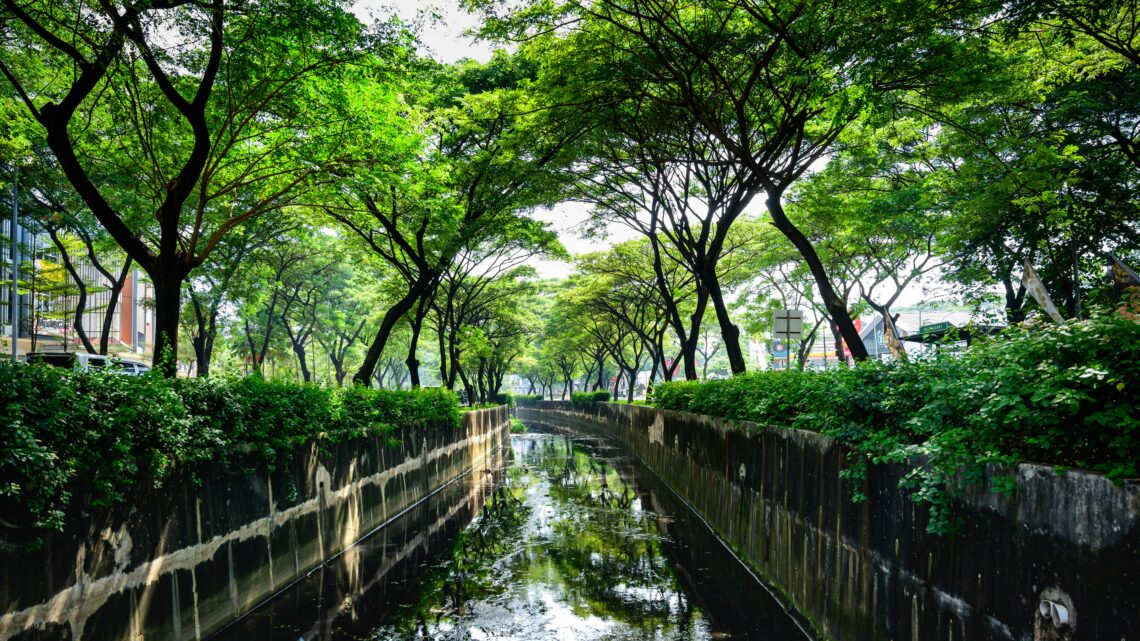
– Bioswales – long, vegetated channels (often found along parking lots or roadsides) designed to slow, filter, and direct runoff.
– Green roofs – rooftops partially or fully covered in vegetation, which absorb rainfall instead of shedding all of it immediately.
None of these require exotic technology. Many are essentially thoughtful landscaping; the difference is that they’re designed specifically to manage water, not just to look nice.
Why This Matters
There are a few concrete reasons this matters beyond “it’s good for the environment”:
– Flooding and drainage problems. Standing water on walkways, parking lots, or building entrances is often a stormwater design issue, not just bad luck. GSI can reduce these headaches.
– Water quality. Runoff carries pollutants (oil, litter, lawn chemicals) into local waterways. Filtering it through soil and plants removes a meaningful share of that before it reaches a stream or lake.
– Cost. Some cities charge stormwater fees based on how much impervious (hard, non-absorbent) surface a property has. Reducing that surface, or managing runoff on-site, can lower those fees in some jurisdictions; it’s worth checking your local municipal code.
– Regulatory pressure. More cities are updating stormwater codes to require some level of on-site management for new construction or major renovations. This is particularly focused on large paved areas like parking lots.
– Reputation. For venues and office campuses that host visitors regularly, visible sustainability features a rain garden near the entrance, a green roof visible from upper floors are a tangible, explainable story, not just a claim.
Where This Shows Up in City Planning
Cities themselves are increasingly building GSI into public spaces: medians with bioswales, permeable sidewalks, public rain gardens in parks. If you manage a venue or property, it’s worth finding out whether your city has a stormwater master plan or a GSI incentive program. Many municipalities offer rebates or fee reductions for property owners who install qualifying features. This takes pressure off the public system and can benefit both parties.
Green stormwater infrastructure isn’t the most glamorous, but it’s one of the more concrete pieces of sustainable design and solves a real problem.