Rethinking Autumn Decor (Without Sacrificing Style)
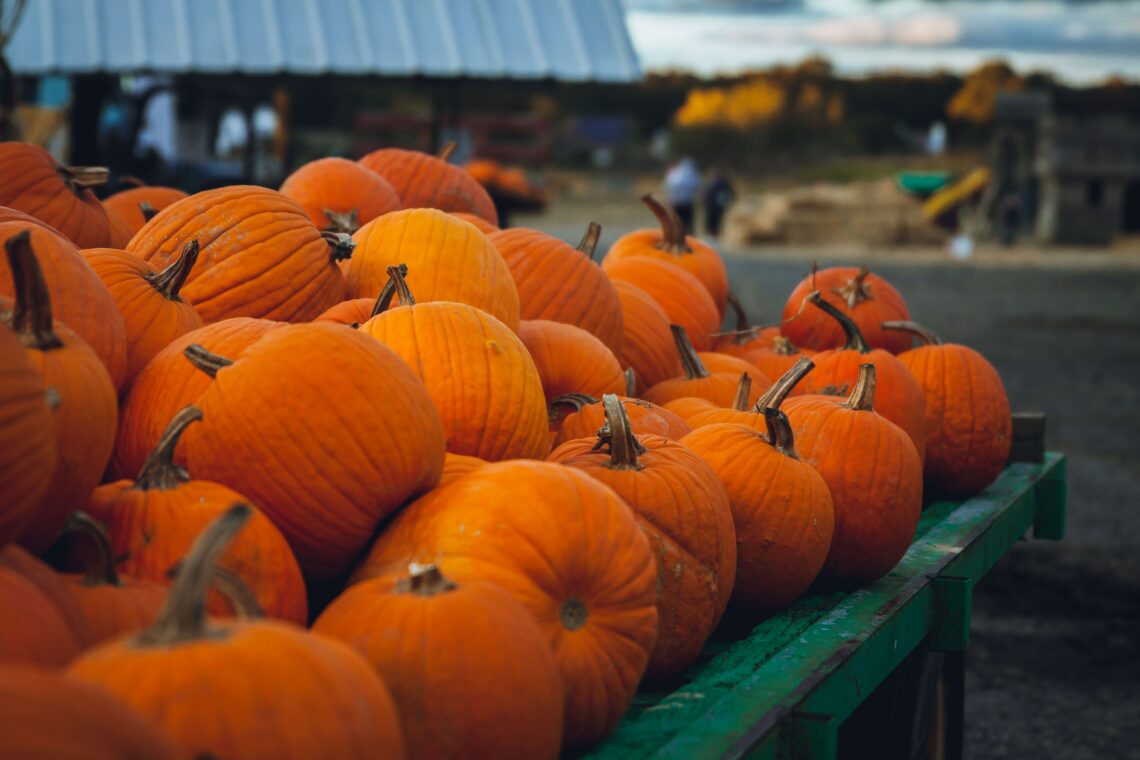
Hay bales, corn stalks, and pumpkins feel inherently sustainable — they’re natural, seasonal, and look nothing like the plastic decor they’re often replacing. But what happens to them once the season ends is where that impression either holds up or falls apart. A pile of decorative pumpkins and corn stalks headed to a landfill isn’t meaningfully different from any other waste.
The good news is that fall decor is actually one of the easier categories to handle well, both going in and coming out — if you plan for the “after” as deliberately as you plan for the “before.”
Start With Procurement: Buying Fall Decor With Its End in Mind
The most sustainable fall decoration is one you don’t have to throw away at all. Before sourcing anything new, it’s worth asking a few questions that shape how easy disposal will be later:
– Can it be reused next season? Wooden crates, metal buckets, fabric bunting, and reusable signage can be stored and brought back year after year, unlike organic material that has a single-use lifespan by nature.
– Is it being rented rather than purchased? For larger quantities, some suppliers offer hay bales, corn stalks, and even larger decorative elements on a rental basis, with pickup and reuse built into the arrangement — worth asking about directly rather than assuming purchase is the only option.
– Is it locally sourced? A local farm supplying hay bales and pumpkins reduces transportation emissions and supports the local community. For events, this has the potential to make post-event coordination easier — many farms are willing to take material back for composting or animal feed if you ask before the event, not after.
Thinking about the end of the material’s life during procurement is what actually determines whether disposal is easy or improvised.
What to Do With Organic Material: Hay, Corn Stalks, and Pumpkins
These three materials are compostable, but “compostable” doesn’t automatically mean your local waste system will handle them the way you’d expect. A few options worth considering, roughly in order of preference:
Donate or return to a local farm. Many farms — including the one you may have sourced the decorations from — are glad to take hay bales, corn stalks, and pumpkins back for composting or as animal feed. This is often the simplest option if you’ve built the relationship during procurement.
Community composting programs. Many municipalities and community gardens run composting programs that accept exactly this kind of material. Utilizing curbside pickup for yard waste or check whether your area has a public drop-off composting site.
Direct donation for animal feed. Some local farms, sanctuaries, or petting zoos will happily take pumpkins and corn stalks as animal feed, particularly right after Halloween when supply tends to spike. A quick call to a local farm or sanctuary before your event can line this up in advance.
A note on carved or painted pumpkins. Pumpkins that have been carved, painted, or coated in glitter or sealant are more complicated. Paint and sealants can interfere with composting, and carved pumpkins decompose faster and messier than whole ones.
What to Do With Everything Else
Fall decor often includes items beyond the organic staples — fabric, wood signage, string lights, artificial leaves, or seasonal props. A few starting points:
– Sort before you store. Take the extra few minutes to separate reusable items (crates, signage, lighting) from single-use or damaged items, rather than boxing everything together and sorting it out “later,” which rarely actually happens.
– Build a reuse inventory. Keeping a simple inventory of what decor exists, where it’s stored, and its condition prevents unnecessary repurchasing next season.
– Donate what you won’t reuse. Local schools, community theaters, and other event organizers are often glad to take usable decor items you don’t plan to store or reuse yourself.
– Purchase intentionally. Only purchase items that you will use, choose items that can be used for multiple holidays, and opt for the slightly more expensive reusable option compared to the single-use option.
– Secondhand before buying new. Thrift stores typically have an abundance of holiday decorations. Giving these pieces a second life is more sustainable and more economical.
Fall decor has a real advantage over a lot of other materials: much of it is naturally compostable, and the infrastructure to handle it properly — local farms, community composting, animal feed donation — often already exists nearby. The only real barrier is timing: these arrangements need to be made in advance rather than as an afterthought.