How Event Planners Can Support Local Systems
When festival organizers talk about sustainability, the conversation usually jumps straight to compostable cups, solar-powered stages, and carbon offsets. Those things matter. But an often-overlooked lever sits in plain sight: who you hire to build, feed, and staff your event. Choosing local vendors and workers is one of the most effective, tangible ways to reduce your footprint and put real dollars into the community hosting your event.
The Carbon Math Is Simple
Every truck, trailer, and touring vendor that drives (or flies) into town to work your festival brings emissions with it. Transportation is consistently one of the largest contributors to an event’s overall carbon footprint. A catering company driving three hours with refrigerated trucks burns fuel that a local caterer, sourcing from farms twenty minutes away, doesn’t. The takeaway isn’t “always choose local no matter what.” It’s that vendor logistics deserve the same scrutiny you’d give your energy plan or waste stations because the emissions add up long before the first guest arrives.
Local Food Systems
Food is one of the most memorable parts of any event. From festivals and conferences to sporting events and community gatherings, what people eat shapes their experience. But beyond taste and presentation, food choices also have a powerful impact on local economies, the environment, and community resilience.
By intentionally sourcing and showcasing local food, event organizers can play a meaningful role in supporting local food systems while creating a more authentic and sustainable event experience.
What Is a Local Food System?
“Local” can be defined in many ways depending on the location you find yourself in and the availability of resources. Overall, a local food system refers to the network of farms, producers, processors, distributors, and retailers that grow and supply food within a specific region. Instead of food traveling hundreds or thousands of miles before reaching a plate, local food systems prioritize products grown and produced nearby.
Supporting local food systems strengthens regional agriculture, reduces transportation impacts, and helps communities maintain stronger connections to their food sources. Events, especially large festivals, markets, and conferences, can be powerful platforms for promoting and strengthening these systems.
Why Local Food Matters
1. Strengthens Local Economies
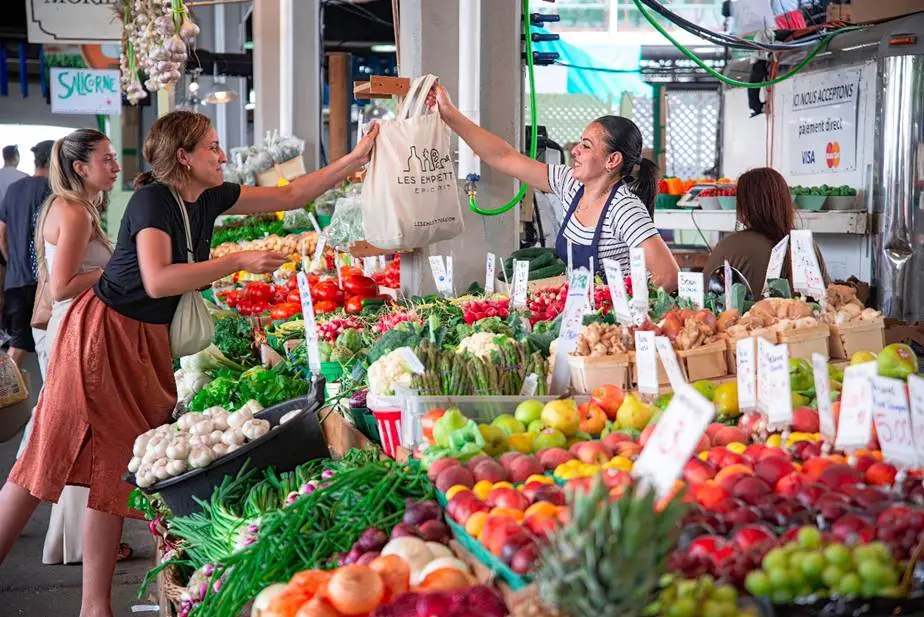
When event organizers source food from local farmers, bakeries, breweries, and caterers, more money stays within the community. Supporting local vendors helps small businesses grow, create jobs, and encourages regional agricultural production. Events can serve as major sales opportunities for local producers, introducing them to new customers who may continue purchasing their products after the event.
2. Reduces Environmental Impact
Food often travels long distances before reaching consumers. Purchasing local eliminates additional travel emissions and requires less packaging and refrigeration. Seasonal, locally grown foods also tend to require fewer inputs because they are naturally suited to the region’s climate.
3. Improves Food Quality and Freshness
Locally sourced food often reaches the kitchen much faster than products shipped long distances. This can result in fresher produce, better flavor, and higher nutritional value. For event attendees, local food often creates a more memorable dining experience and a stronger connection to the region hosting the event.
4. Creates Authentic Event Experiences
Events are an opportunity to celebrate local culture and identity. Featuring regional ingredients, farms, and food traditions can make an event feel more connected to its location. These experiences help differentiate events and showcase the unique character of the community.
Ways Event Organizers Can Support Local Food Systems
Prioritize Local Vendors and Caterers
Start by seeking out caterers, food trucks, and vendors that already source locally. Many chefs and food businesses prioritize relationships with nearby farms and producers. Including these vendors in your event can strengthen existing local food networks while simplifying sourcing for organizers.
Work with Local Farmers
Event organizers can partner directly with farmers for fresh ingredients such as fruits, vegetables, eggs, meats, or honey. Farm partnerships may include: supplying ingredients to event caterers, hosting on-site farm stands, sponsoring food tastings, providing educational displays about agriculture. These partnerships highlight where food comes from and support local agricultural businesses.
Design Seasonal Menus
One of the easiest ways to support local food systems is by designing menus around what is naturally available in the region during the event season. Seasonal sourcing helps reduce reliance on imported ingredients and supports farmers during peak harvest periods.
Highlight Local Food on Event Menus
Transparency helps attendees appreciate the value of local food. Menus, signage, and event materials can highlight farms and producers that contributed ingredients. Recognizing producers not only supports their visibility but also helps attendees feel more connected to the food they are enjoying.
Event organizers have a unique opportunity to influence food systems through their purchasing decisions. Even small shifts toward local sourcing can create meaningful economic, environmental, and social benefits.
Local Spending Keeps Money in the Community You’re Borrowing From
Every festival temporarily borrows a community’s roads, parking lots, noise tolerance, and goodwill. Hiring locally is one of the clearest ways to give something back in return. When you pay a local sound engineer instead of flying one in, or contract a nearby security firm instead of a national chain, that income tends to circulate locally, covering payroll, rent, and other local purchases rather than leaving the region with the vendor’s tour bus. Economists sometimes call this the “local multiplier effect”: money spent locally tends to get re-spent locally, multiple times over, before it leaves the area. This matters most in towns that host festivals regularly. If your event shows up every year but the economic benefit mostly flows to outside companies, you’re extracting more from that community than you’re giving back, and local residents notice.
Local Sourcing Is a Direct Line to Underrepresented Businesses
Here’s the piece that often gets missed: “local” and “diverse” overlap more than people assume. Minority-owned, women-owned, and small independent businesses are frequently underrepresented in large event contracts not because they lack quality, but because national vendor networks default to whoever they’ve worked with before, often in a handful of major markets.
Actively sourcing local vendors forces you to look outside that default list. It means researching who’s actually operating in the host community a veteran-run barbecue stand, a minority owned event rental company, a woman-owned florist instead of re-booking you typical national supplier.
How to Actually Do This (Without Overhauling Your Whole Vendor Process)
You don’t need to rebuild your procurement process overnight. A few practical starting points:
– Build a local vendor list before you build your budget. Research who exists in the host community before defaulting to your usual national contacts. Local tourism boards, chambers of commerce, and economic development offices often maintain vendor directories for exactly this purpose.
– Ask vendors about their supply chain. A local caterer who trucks in ingredients from three states away isn’t actually reducing your footprint much. Ask where their food, materials, or products come from.
– Set a soft target and track it. Even an informal goal like a percentage of vendor spend going to businesses within a set radius gives you something to measure year over year.
– Give new local vendors a fair shot. If a national vendor’s contract is up for renewal, consider splitting the work so a local business can prove itself. Start with a smaller piece or one designated area of the event before taking on the full scope.
– Publicize it. Sponsors and attendees increasingly care about this. If you’re doing the work, share the story!
Quick Checklist
– [ ] Have you researched local vendor options before defaulting to your usual contacts?
– [ ] Do you know how far your key vendors are traveling to reach your event?
– [ ] Have you asked vendors where their materials or ingredients come from?
– [ ] Have you set goals or targets for local or underrepresented vendor spend?
– [ ] Are you tracking this year over year, not just for one event?
The Bottom Line
Some of the biggest sustainability impacts happen before the event takes place, in the contracts you sign months in advance. Who you hire is a sustainability decision. It’s also usually the easiest one to start making differently this year.